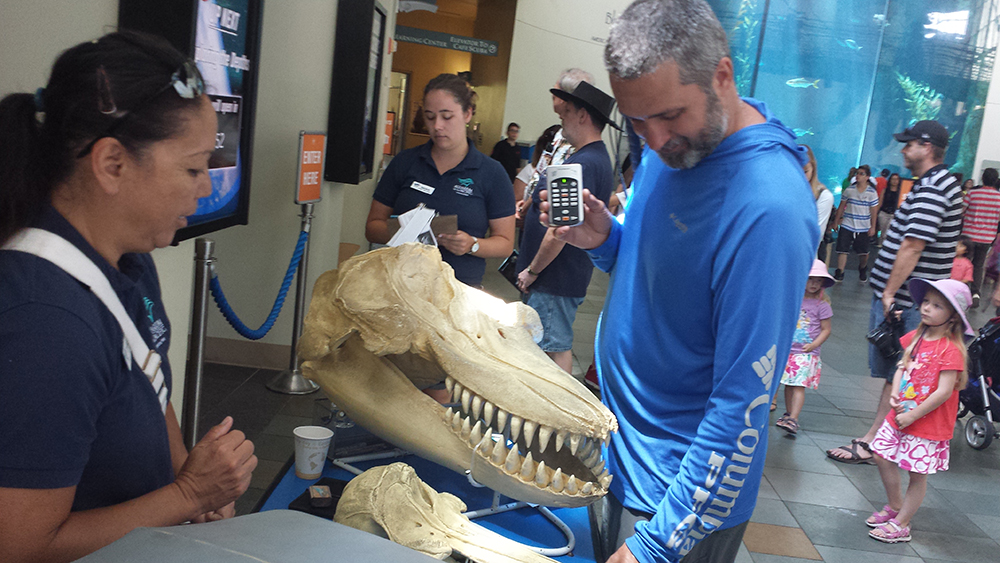
Live from inside the Vancouver Aquarium

[av_heading heading=’Live from inside the Vancouver Aquarium’ tag=’h2′ link_apply=” link=’manually,http://’ link_target=” style=” size=” subheading_active=” subheading_size=’15’ margin=” margin_sync=’true’ padding=’10’ color=’custom-color-heading’ custom_font=’#0660b3′ av-medium-font-size-title=” av-small-font-size-title=” av-mini-font-size-title=” av-medium-font-size=” av-small-font-size=” av-mini-font-size=” av_uid=’av-jvxx8zgk’ admin_preview_bg=”][/av_heading]

[av_textblock size=’16’ font_color=” color=” av-medium-font-size=” av-small-font-size=” av-mini-font-size=” av_uid=’av-jvxx969g’ admin_preview_bg=”]

Lawrence tours the Vancouver Aquarium and gets hands-on with Orca jaws, egg purses and a variety of other interactive exhibits.
[/av_textblock]

Monterey Bay Aquarium’s Seafood Watch Initiative

[av_heading heading=’Monterey Bay Aquarium’s Seafood Watch Initiative’ tag=’h2′ link_apply=” link=’manually,http://’ link_target=” style=” size=” subheading_active=” subheading_size=’15’ margin=” margin_sync=’true’ padding=’10’ color=’custom-color-heading’ custom_font=’#0660b3′ av-medium-font-size-title=” av-small-font-size-title=” av-mini-font-size-title=” av-medium-font-size=” av-small-font-size=” av-mini-font-size=” av_uid=’av-jvxx9tmk’ admin_preview_bg=”][/av_heading]

[av_textblock size=’15’ font_color=” color=” av-medium-font-size=” av-small-font-size=” av-mini-font-size=” av_uid=’av-jvxx9x5f’ admin_preview_bg=”]

Purchasing only those wild fish stocks harvested sustainably was first trumpeted to consumers as an empowerment by the Monterey Bay Aquarium through their Seafood Watch Program. Now replicated throughout the world, Seafood Watch has done more to promote sustainable fishing than any other single initiative in the world. But, it didn’t happen over night, and there was resistance.
[/av_textblock]

Monterey Bay Aquarium’s Ken Peterson on Conservation

[av_heading heading=’Monterey Bay Aquarium’s Ken Peterson on Conservation’ tag=’h2′ link_apply=” link=’manually,http://’ link_target=” style=” size=” subheading_active=” subheading_size=’15’ margin=” margin_sync=’true’ padding=’10’ color=’custom-color-heading’ custom_font=’#0660b3′ av-medium-font-size-title=” av-small-font-size-title=” av-mini-font-size-title=” av-medium-font-size=” av-small-font-size=” av-mini-font-size=” av_uid=’av-jvxxamgf’ admin_preview_bg=”][/av_heading]

[av_textblock size=’15’ font_color=” color=” av-medium-font-size=” av-small-font-size=” av-mini-font-size=” av_uid=’av-jvxxaq93′ admin_preview_bg=”]
The Monterey Bay Aquarium plays a leading role in rebuilding Sea Otter populations from their low of 50 to the current 3,000 animals that make California’s coast their home. So much more takes place at the aquarium that goes well beyond the glass walls of their amazingly huge tanks, such as tagging and tracking Great White sharks, championing legislation to block the trade in shark fins, or conducting research on the health of Blue Fin Tuna populations.


[/av_textblock]

Aquarium of the Bay and Sustainability

[av_heading heading=’Aquarium of the Bay and Sustainability’ tag=’h2′ link_apply=” link=’manually,http://’ link_target=” style=” size=” subheading_active=” subheading_size=’15’ margin=” margin_sync=’true’ padding=’10’ color=’custom-color-heading’ custom_font=’#0660b3′ av-medium-font-size-title=” av-small-font-size-title=” av-mini-font-size-title=” av-medium-font-size=” av-small-font-size=” av-mini-font-size=” av_uid=’av-jvxxo7t9′ admin_preview_bg=”][/av_heading]

[av_textblock size=’15’ font_color=” color=” av-medium-font-size=” av-small-font-size=” av-mini-font-size=” av_uid=’av-jvxxojsv’ admin_preview_bg=”]
Keeping a world-class public aquarium facility sustainable involves numerous aspects beyond making sure the over 20,000 animals inside the aquarium are receiving sustainably harvested food that totals 100,000 pounds yearly. Water handling, power consumption, and waste management are all part of the sustainable approach to running aquariums. But, this aquarium thinks outside the tank too, and is playing a leadership role to ensure all of San Francisco consumes fish sustainably by following the Seafood Watch Program.


[/av_textblock]

The Bay Institute on Marine Protection Areas

[av_heading heading=’The Bay Institute on Marine Protection Areas’ tag=’h2′ link_apply=” link=’manually,http://’ link_target=” style=” size=” subheading_active=” subheading_size=’15’ margin=” margin_sync=’true’ padding=’10’ color=’custom-color-heading’ custom_font=’#0660b3′ av-medium-font-size-title=” av-small-font-size-title=” av-mini-font-size-title=” av-medium-font-size=” av-small-font-size=” av-mini-font-size=” av_uid=’av-jvxxp799′ admin_preview_bg=”][/av_heading]

[av_textblock size=’15’ font_color=” color=” av-medium-font-size=” av-small-font-size=” av-mini-font-size=” av_uid=’av-jvxxpin6′ admin_preview_bg=”]
Listen as Brian Baird, Director of Ocean and Coastal Programs at San Francisco’s Bay Institute, discusses the evolution of California’s ocean conservation policy including Governor Schwarzenegger’s initiative to form an action plan on the ocean, it’s connection to the marine sanctuary initiative later enacted by President George Bush, and ultimately, led to marine protection areas. Protection Areas that now include 16.5% of California’s 1,100 miles of coastline reaching out three miles. With 9% of California’s coastal waters being completely off limits to all forms of fishing is intended to ensure non-migratory fish species are able to regain and maintain healthy populations. Brian explains how public pressure, science and economics supported the legislation that formed these MPA’s, but the goal is to ensure we all have access to fish to catch and observe now and in the future.


[/av_textblock]
Aquarium of the Bay Reveals the Mysteries of San Francisco Bay

[av_heading heading=’Aquarium of the Bay Reveals the Mysteries of San Francisco Bay’ tag=’h2′ link_apply=” link=’manually,http://’ link_target=” style=” size=” subheading_active=” subheading_size=’15’ margin=” margin_sync=’true’ padding=’10’ color=’custom-color-heading’ custom_font=’#0660b3′ av-medium-font-size-title=” av-small-font-size-title=” av-mini-font-size-title=” av-medium-font-size=” av-small-font-size=” av-mini-font-size=” av_uid=’av-jvxxq55u’ admin_preview_bg=”][/av_heading]

[av_textblock size=’15’ font_color=” color=” av-medium-font-size=” av-small-font-size=” av-mini-font-size=” av_uid=’av-jvxxqhoi’ admin_preview_bg=”]
San Francisco’s Aquarium of the Bay has transitioned from a for-profit organization to a leading non-profit group responsible for bringing key stakeholders together in the interest of educating and empowering citizens. Informal science education now drives everything the Aquarium does, including connecting visitors to the many different species of sharks that make San Francisco Bay home. Mostly though, the Aquarium is educating kids to become strong stewards of San Francisco Bay’s marine ecosystem.


[/av_textblock]

Aquarium of the Pacific on Sustainability Sea Turtles and Jellies

[av_heading heading=’Aquarium of the Pacific on Sustainability Sea Turtles and Jellies’ tag=’h2′ link_apply=” link=’manually,http://’ link_target=” style=” size=” subheading_active=” subheading_size=’15’ margin=” margin_sync=’true’ padding=’10’ color=’custom-color-heading’ custom_font=’#0660b3′ av-medium-font-size-title=” av-small-font-size-title=” av-mini-font-size-title=” av-medium-font-size=” av-small-font-size=” av-mini-font-size=” av_uid=’av-jvxxr4s2′ admin_preview_bg=”][/av_heading]

[av_textblock size=’16’ font_color=” color=” av-medium-font-size=” av-small-font-size=” av-mini-font-size=” av_uid=’av-jvxxri7q’ admin_preview_bg=”]
The Aquarium of the Pacific is a leader in making sure the three billion people that derive their protein from the sea do so sustainably, including the harvesting of kelp and jellies. They are also leading important citizen-based research on sea turtle conservation.


[/av_textblock]

Orca Whales Up Close and Personal

[av_heading heading=’Orca Whales Up Close and Personal’ tag=’h2′ link_apply=” link=’manually,http://’ link_target=” style=” size=” subheading_active=” subheading_size=’15’ margin=” margin_sync=’true’ padding=’10’ color=’custom-color-heading’ custom_font=’#0660b3′ av-medium-font-size-title=” av-small-font-size-title=” av-mini-font-size-title=” av-medium-font-size=” av-small-font-size=” av-mini-font-size=” av_uid=’av-jvxxs89a’ admin_preview_bg=”][/av_heading]

[av_textblock size=’15’ font_color=” color=” av-medium-font-size=” av-small-font-size=” av-mini-font-size=” av_uid=’av-jvxxsklz’ admin_preview_bg=”]
Twenty years observing Orcas gives this whale watch boat captain and owner of Island Adventures remarkable insights about Whales on the west coast. Listen as Captain Shane relates stories about how whales are watching us and their ability to forgive.

Links follow:

Twitter | Island Adventures (@sanjuanwhales)
Facebook | Island Adventures Whale Watching
Video and photo gallery: http://www.island-adventures.com/gallery/index.php
[/av_textblock]

St. Lawrence Top Ten Most Endangered

[av_heading heading=’St. Lawrence Top Ten Most Endangered’ tag=’h2′ link_apply=” link=’manually,http://’ link_target=” style=” size=” subheading_active=” subheading_size=’15’ margin=” margin_sync=’true’ padding=’10’ color=’custom-color-heading’ custom_font=’#0660b3′ av-medium-font-size-title=” av-small-font-size-title=” av-mini-font-size-title=” av-medium-font-size=” av-small-font-size=” av-mini-font-size=” av_uid=’av-jvxxt7c8′ admin_preview_bg=”][/av_heading]

[av_textblock size=’15’ font_color=” color=” av-medium-font-size=” av-small-font-size=” av-mini-font-size=” av_uid=’av-jvxxtkpi’ admin_preview_bg=”]
Lee Willbanks is the official River Keeper for the Upper St. Lawrence and is working hard to have the River removed from the list of top ten most endangered rivers. Implementation of the International Joint Committee’s 2014 plan for the St. Lawrence is all that’s needed. Listen as Lawrence and Lee talk about what happened to the aquatic habitat on the river and what it will take to bring it back.

Working to protect the St-Lawrence River, one of America’s most Endangered Rivers

[/av_textblock]

Aquarium of the Pacific and Whale Ship Strike Research

[av_heading heading=’Aquarium of the Pacific and Whale Ship Strike Research’ tag=’h2′ link_apply=” link=’manually,http://’ link_target=” style=” size=” subheading_active=” subheading_size=’15’ margin=” margin_sync=’true’ padding=’10’ color=’custom-color-heading’ custom_font=’#0660b3′ av-medium-font-size-title=” av-small-font-size-title=” av-mini-font-size-title=” av-medium-font-size=” av-small-font-size=” av-mini-font-size=” av_uid=’av-jvxxu97z’ admin_preview_bg=”][/av_heading]

[av_textblock size=’15’ font_color=” color=” av-medium-font-size=” av-small-font-size=” av-mini-font-size=” av_uid=’av-jvxxumuc’ admin_preview_bg=”]
Located in Long Bay off the coast of Los Angeles California, the Aquarium of the Pacific is ideally located to conduct research on whale behaviour. Their research has determined that ships entering and departing from one of the U.S.’s busiest ports pass directly through a preferred feeding area for whales. Moby Dick is no match for these colossal conveyors of the sea which are arriving at port with whales impaled on their bows.


[/av_textblock]